
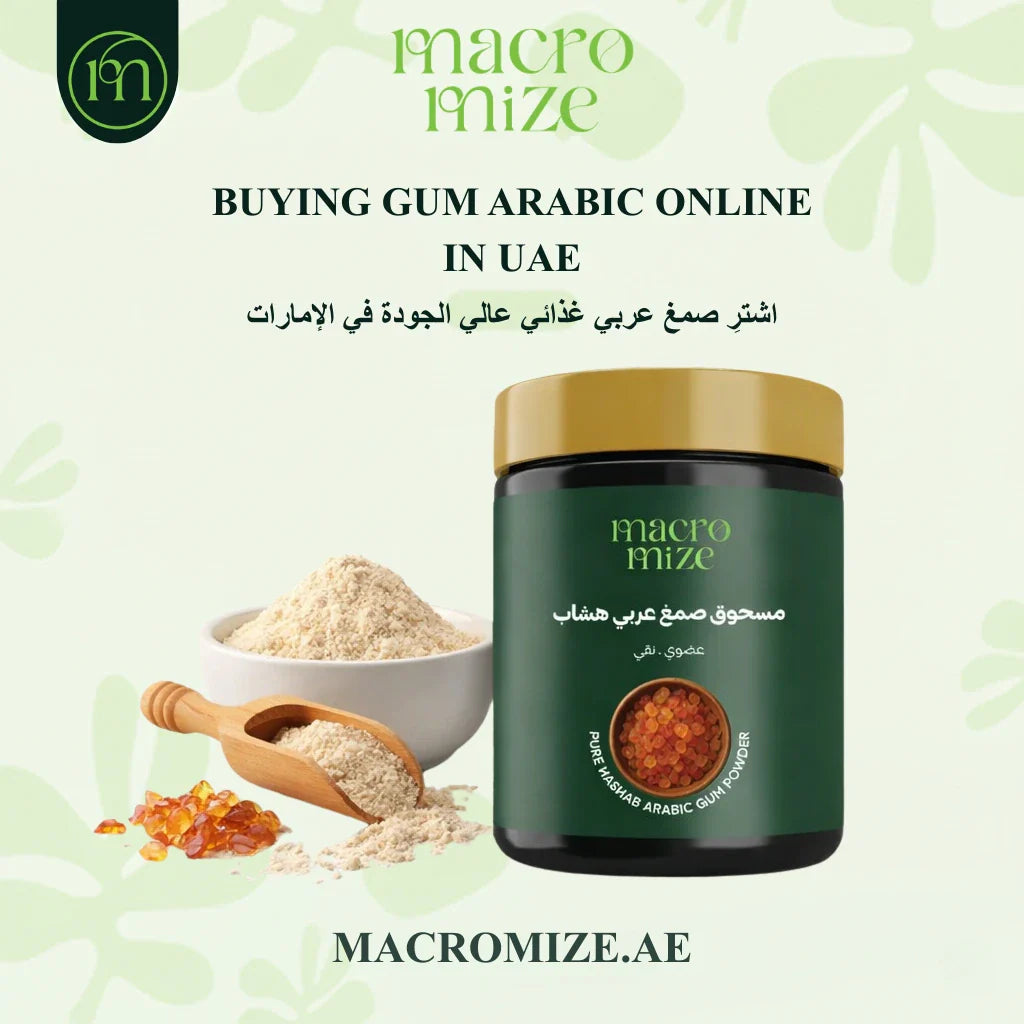
If you're looking to buy gum arabic online in the UAE, understanding price differences, quality grades, and supplier credibility is essential. Whether you're sourcing for food production, health use, or resale, this guide explains what affects gum arabic price, how to assess quality, and what to look for before purchasing.
What Affects Gum Arabic Price?
The price of gum arabic in the UAE can vary significantly depending on several important factors. Understanding these variables helps you compare products more accurately and avoid overpaying for lower quality.
1. Source and Country of Origin
Origin is one of the biggest pricing factors. The highest-quality gum arabic is widely sourced from Sudan, especially premium hashab gum arabic harvested from Acacia senegal trees. Sudanese hashab is known for:
-
Superior solubility
-
Lighter color
-
Higher purity
-
Better performance in food and beverage applications
Because of its reputation and global demand, Sudanese gum arabic often commands a higher price compared to gum sourced from other regions. Political conditions, export regulations, and harvest yields in the region can also influence international supply and pricing.
2. Grade and Quality Level
Not all gum arabic is food-grade. Lower grades may be used for industrial purposes such as adhesives, printing, or cosmetics. Food-grade gum arabic undergoes stricter cleaning, sorting, and quality control processes, which increase cost but ensure safety and consistency.
Premium grades (such as hand-selected Hashab) are more expensive because they contain fewer impurities and dissolve more smoothly.
3. Form: Powder vs. Raw Tears
The physical form significantly affects price:
-
Raw crystals (tears)
-
Less processed
-
Often slightly lower cost per kilogram
-
Require soaking or blending before use
-
Powdered gum arabic
-
Cleaned, filtered, and finely milled
-
More convenient for smoothies, baking, and drinks
-
Higher processing costs, which increase retail price
Powdered gum arabic is usually more expensive due to labor, equipment, and quality control involved in processing.
4. Organic Certification
Certified organic gum arabic typically costs more because suppliers must comply with:
-
Organic farming standards
-
Third-party inspections
-
Certification fees
-
Detailed documentation and traceability
These regulatory steps increase operational costs, which are reflected in the final price. However, for many buyers, certified organic sourcing justifies the premium.
5. Packaging Quality
Packaging impacts both price and product protection. Higher-priced retail products often include:
-
Moisture-proof, food-safe pouches
-
Resealable zip locks
-
Oxygen barriers to preserve freshness
-
Clearly labeled nutritional and batch information
Bulk sacks or simple packaging cost less but may not offer the same level of protection or shelf stability.
6. Logistics, Import & Distribution in UAE
Because gum arabic is imported into the UAE, several logistical factors influence pricing:
-
International shipping costs
-
Customs clearance fees
-
Storage in climate-controlled facilities
-
Local distribution and delivery
Fluctuations in freight rates or supply chain disruptions can temporarily raise market prices.
7. Supplier Reputation and Documentation
Established gum arabic suppliers who provide:
-
MSDS documentation
-
Food safety certificates
-
Batch traceability
-
Lab testing reports
may charge more due to higher compliance standards and quality assurance practices. However, this added cost often reflects greater reliability and product safety.
Why Is Gum Arabic Sometimes Expensive?
Gum arabic is not a synthetic ingredient produced in factories, it is a natural resin that forms on Acacia trees and must be harvested by hand. Farmers carefully tap the trees during specific seasons, allowing the resin to dry naturally before collecting it.
After harvesting, the gum must be sorted, cleaned, and graded to remove bark, dust, and impurities. This manual and time-intensive process adds to the overall cost, especially for food-grade material that requires stricter quality control.
Supply conditions also play a major role. Much of the world’s premium gum arabic comes from regions like Sudan, where climate conditions, rainfall patterns, and trade logistics directly impact availability. Seasonal yields can vary, and export or transportation disruptions can tighten global supply. When demand remains strong, but supply decreases, prices naturally rise.
In addition, premium varieties such as Hashab gum arabic (from Acacia senegal) command higher prices because of their superior solubility, lighter color, and suitability for food and beverage applications. These higher grades undergo more careful selection and processing, making them more expensive, but also more reliable for culinary and commercial use.
Hashab Gum vs Other Grades
Not all Arabic natural gum is the same. The grade of gum arabic directly affects its solubility, color, taste, and suitability for food use. Understanding the difference between hashab and other grades helps you choose the right product for your needs.

Hashab Gum Arabic (Acacia senegal)
Hashab gum arabic comes from the Acacia senegal tree and is considered the premium grade. It is widely sourced from regions such as Sudan, known for producing high-quality food-grade gum.
Key characteristics:
-
Higher solubility in water
-
Lighter amber or pale color
-
Mild, neutral taste
-
Cleaner appearance with fewer impurities
Because of its smooth dissolving properties and consistent texture, hashab gum arabic is preferred for:
-
Smoothies and beverages
-
Baking and sauces
-
Nutritional fiber applications
-
Commercial food production
For culinary and health-focused uses, hashab is typically the superior option.
Other Grades (Such as Talha)
Lower grades, often sourced from Acacia seyal (commonly referred to as talha), differ in performance and appearance.
Key characteristics:
-
Darker color
-
Lower solubility
-
Slightly stronger taste
-
May contain more natural impurities
These grades are more commonly used in:
-
Industrial applications
-
Adhesives and printing
-
Non-food manufacturing
While they are still natural resins, they are generally not the first choice for high-quality food and beverage use.
Which Grade Should You Choose?
If you are buying gum arabic for smoothies, baking, beverages, or soluble fiber, Hashab gum arabic is typically the better choice. Its lighter color, cleaner taste, and superior solubility make it more reliable for everyday culinary use.
Organic Gum Arabic – What to Look For
When buying organic gum arabic, don’t rely on the word “organic” alone. Look for clear indicators that prove authenticity and quality. Below are the key things to check, why they matter and where they are typically found:
Recognized Organic Certification
Confirms the product meets official organic standards for harvesting, handling, and processing. Certified products follow regulated guidelines and undergo inspections to maintain compliance.
Clear Country of Origin
Origin influences quality and grade. Much premium gum arabic is sourced from Sudan, known for high-quality hashab gum. Transparent origin details reflect supply chain credibility.
Batch or Lot Number
Provides traceability for quality control. Batch identification allows tracking of specific production lots and reflects professional food-grade handling standards.
Proper Food Labeling
Should clearly indicate food-grade use and include essential details such as net weight, storage instructions, and supplier information.
Supporting Documentation
Reliable suppliers can provide organic certificates, food safety documentation, and lab reports upon request, confirming that the product meets established standards.
If these elements are clearly presented and verifiable, you are more likely to purchase genuine, high-quality organic gum arabic rather than a product labeled “organic” for marketing purposes.
How to Check Quality Before Buying
Before purchasing gum arabic, it’s important to assess visible and functional quality indicators. These simple checks can help you avoid low-grade or improperly processed products.
Appearance
-
High-quality gum arabic should have:
-
A light amber or pale golden color
-
Clean, well-formed crystals (if raw tears)
-
Fine, uniform texture (if powdered)
-
Minimal dust, bark particles, or dark debris
Excessive impurities, uneven color, or visible contaminants may indicate poor sorting or lower-grade material.
Solubility
Good gum arabic should:
-
Dissolve smoothly in water with stirring
-
Form a mild, neutral-tasting solution
-
Have little to no strong odor
If the gum struggles to dissolve, leaves heavy residue, or produces an unusually strong smell, it may not be premium food-grade quality.
Labeling
Reliable products clearly state:
-
Country of origin (for example, premium sources often include Sudan)
-
Food-grade classification
-
Storage instructions
-
Net weight and supplier information
Clear labeling reflects proper handling and compliance with food standards.
Batch Information
Reputable gum arabic suppliers provide batch or lot numbers for traceability. This indicates structured quality control and professional supply practices. Products without batch identification may lack proper oversight.
Product Documentation (MSDS & Food Safety)
For commercial buyers, manufacturers, and health-focused retailers, documentation is just as important as product quality. Reputable gum arabic suppliers should be able to provide a Gum Arabic MSDS (Material Safety Data Sheet) outlining handling, storage, and safety information. This is especially important for businesses that incorporate gum arabic into food production, supplements, or resale operations.
In addition to MSDS documentation, professional suppliers often provide food safety compliance certificates and lab analysis reports. These documents confirm purity, microbiological safety, and food-grade standards. When purchasing in bulk or for commercial use, working with a supplier that can readily provide this paperwork ensures transparency, regulatory compliance, and peace of mind.
Buying Gum Arabic Online in the UAE
Buying gum arabic online in the UAE has become increasingly popular due to convenience, competitive pricing, and access to multiple grades and packaging options. However, not all online listings offer the same quality. It’s important to purchase from established gum arabic suppliers that clearly state food-grade certification, country of origin, and batch information. Checking product reviews and confirming delivery timelines also helps ensure reliability, especially if you need a consistent supply for culinary or commercial use.
Macromize specializes in supplying high-quality, Food-Grade Gum Arabic with clear labeling, proper documentation, and secure packaging designed to protect freshness during transport. Because gum arabic absorbs moisture easily, it should always be shipped in sealed, moisture-resistant packaging and stored in a cool, dry place after delivery. Choosing a trusted UAE-based supplier like Macromize ensures you receive authentic gum arabic that meets quality standards without uncertainty or compromise.
Final Thoughts
When buying gum arabic in the UAE, focus on origin, grade (preferably Hashab), solubility, and proper documentation. High-quality gum arabic ensures better texture, stability, and consistency in smoothies, sauces, baked goods, and other culinary applications. Prices may vary, but investing in a premium product guarantees reliable performance and peace of mind.
For a trusted source, Macromize offers genuine, food-grade gum arabic with full documentation, consistent quality, and reliable delivery across the UAE.
If you’re ready to purchase, explore our → Product Page. For a deeper understanding of the ingredient and Acacia Gum nutrition, read → What Is Gum Arabic?
Choose verified, reputable wellness product suppliers like Macromize to ensure you get authentic, high-quality gum arabic every time.
Frequently Asked Questions
Is gum arabic available online in the UAE?
Yes. Many UAE-based suppliers and retailers now offer gum arabic online with local delivery options.
How should gum arabic be stored?
Store in a sealed container in a cool, dry place away from humidity and direct sunlight. Proper storage preserves solubility and shelf life.
How much gum arabic should I buy online?
Purchase based on your usage. Small batches are suitable for home cooking and beverages, while bulk orders are recommended for food businesses, bakeries, or commercial use.
Can gum arabic be used as a vegan or gluten-free binder?
Yes. It’s plant-based, soluble, and works well as a binder in vegan or gluten-free recipes.
Is gum arabic the same as Luban or mastic gum?
No. Luban (frankincense) and mastic gum are aromatic or chewy resins from different trees. Only gum arabic is a food-grade, soluble resin suitable for beverages, sauces, and baking.
Macromize has a very comprehensive, detail-oriented explanation of what to choose depending on your goals. Read → Luban vs Gum Arabic vs Mastic Gum.
Share:
Is Luban the Same as Gum Arabic? Clear Differences Explained