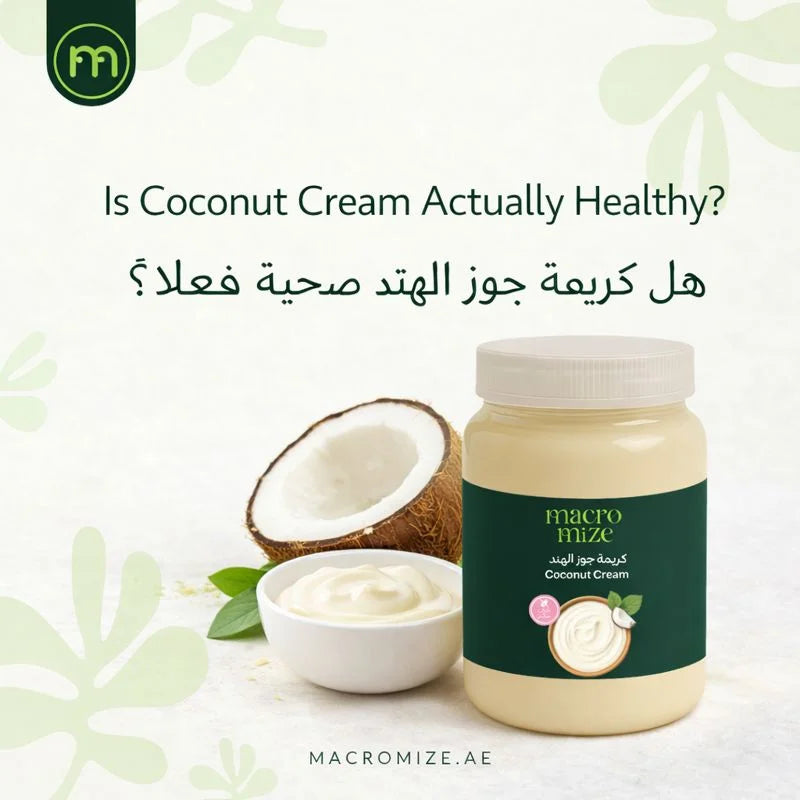
Over the past few years, coconut cream has moved from specialty health food stores to mainstream supermarkets across Dubai, Abu Dhabi, and the rest of the UAE. You'll find it in everything from morning coffee to dessert recipes, often marketed as a healthier alternative to dairy cream. But with conflicting nutrition advice online, many people are left wondering: is coconut cream actually healthy?
The answer isn't as simple as yes or no. The health impact of coconut cream depends on:
-
the type you choose
-
how much you consume
-
what you're using it to replace in your diet
This guide breaks down the science behind coconut cream nutrition, explains the truth about its fat content, and helps you make informed choices for your health.

Understanding What Coconut Cream Really Is
Before we can determine if coconut cream is healthy, we need to understand what it actually contains.
How coconut cream is traditionally made:
-
White flesh of mature coconuts
-
Blended with water
-
Strained to remove solids
The result is a thick, rich liquid with a creamy texture similar to heavy dairy cream.
Coconut Cream vs Dairy Cream (Basic Comparison)
| Aspect | Coconut Cream | Dairy Cream |
|---|---|---|
| Source | Plant-based (coconut) | Animal-based (milk) |
| Calories | ~200–300 per serving | ~200–300 per serving |
| Main Macronutrient | Fat | Fat |
| Lactose | None | Present |
| Cholesterol | None | Present |
Note: Coconut cream is completely plant based, lactose free, and cholesterol free.
However, not all coconut cream products are equal. Many commercial versions contain:
-
Added sugars
-
Stabilizers
-
Preservatives
Some brands add 10–15g sugar per serving, which significantly changes the nutritional value. This is why label reading is essential.
The Fat Question: Are Coconut Fats Different?
One of the biggest concerns people have about coconut cream centers on its high saturated fat content. For decades, health authorities warned against saturated fats, linking them to heart disease and high cholesterol. Coconut cream is indeed high in saturated fat, with about 80 to 90 percent of its fat content falling into this category.
But here's where the science gets more interesting. The saturated fats in coconut are structurally different from those found in animal products like butter or cream. Coconut contains a high proportion of medium chain triglycerides, or MCTs, which are shorter fat molecules that your body processes differently than long chain fats.
MCTs are absorbed directly into your bloodstream from your digestive tract and transported to your liver, where they can be used immediately for energy rather than being stored as body fat. Some research suggests that MCTs may actually support metabolic health, help with weight management, and provide quick energy for your brain and muscles.
Why Coconut Fat Is Unique
| Type of Fat | Coconut Cream |
|---|---|
| Saturated fat | High |
| Fat structure | Medium-chain triglycerides (MCTs) |
| Energy use | Rapid energy, less storage |
The most abundant MCT in coconut is lauric acid, which makes up about 50 percent of coconut's fat content. While lauric acid is technically classified as an MCT due to its chain length, it behaves somewhat differently in the body compared to shorter MCTs like caprylic acid or capric acid. Lauric acid has antimicrobial properties and may support immune function, though more research is needed to fully understand these effects in humans.
Despite these potential benefits, moderation remains important. The relationship between saturated fat and heart health is complex and still being studied. Current evidence suggests that replacing saturated fats with polyunsaturated fats from sources like nuts, seeds, and fish may reduce heart disease risk. However, coconut fat may not carry the same risks as saturated fats from processed meats or fried foods.
Is Coconut Cream Healthier Than Heavy Cream?
Coconut cream is not automatically healthier than heavy cream - it is simply a different option for different needs.
Coconut cream is dairy-free, lactose-free and contains medium-chain triglycerides (MCTs), which are used by the body more quickly for energy. It also contains no cholesterol, making it suitable for plant-based and dairy-free lifestyles in the UAE.
However, coconut cream is very high in calories and saturated fat, often equal to or higher than heavy cream. Heavy cream, on the other hand, contains dairy nutrients such as calcium and vitamin A, but also includes lactose and cholesterol.
In Practical Terms:
For a cleaner, dairy-free alternative, choose unsweetened coconut cream from the Macromize wellness range - carefully selected for simple ingredients and everyday UAE use. It fits vegan and lactose-free lifestyles while still supporting balanced portions, making it a smarter switch from heavy cream when you want plant-based cooking without compromising on quality.
Is Coconut Cream Healthier Than Cream?
This question comes up frequently, especially among people looking for dairy alternatives or trying to reduce animal product consumption. The answer depends largely on your personal health goals and dietary needs.
From a calorie perspective, coconut cream and heavy dairy cream are quite similar, both containing around 200 to 300 calories per half cup serving. The main differences lie in the type of fat, presence of cholesterol, and micronutrient content.
Coconut Cream vs Dairy Cream (Detailed Comparison)
| Factor | Coconut Cream | Dairy Cream |
|---|---|---|
| Calories | Similar | Similar |
| Fat type | Plant-based saturated fats | Animal-based saturated fats |
| Cholesterol | None | Present |
| Lactose | None | Present |
| Protein | Lower | Higher |
| Calcium & Vitamin D | Low | Higher |
Dairy cream contains cholesterol and lactose, which can be problematic for people with high cholesterol levels or lactose intolerance. Coconut cream is naturally cholesterol free and lactose free, making it suitable for people with these concerns. For individuals following vegan or plant based diets, coconut cream serves as an excellent dairy free cream alternative that provides similar richness and texture in recipes.
However, dairy cream does offer some nutritional advantages. It contains more protein than coconut cream and provides calcium, vitamin D, and vitamin A, nutrients that coconut cream lacks. If you're using cream as a regular part of your diet, the micronutrients in dairy might be beneficial unless you're getting these nutrients from other sources.
The sugar content is another critical factor. Plain, unsweetened dairy cream contains virtually no sugar, just the natural lactose found in milk. Many commercial coconut cream products, however, are loaded with added sugars. This is why choosing sugar free coconut cream becomes essential if you're trying to manage blood sugar levels or reduce overall sugar intake.
The Sugar Problem in Coconut Products
While coconut itself is relatively low in natural sugars, many coconut cream products sold in stores contain significant amounts of added sweeteners. This is especially true for products marketed as "cream of coconut" for cocktails or desserts, which can contain as much as 20 to 30 grams of sugar per serving.
Added sugars contribute empty calories without providing nutritional value, and excessive sugar consumption is linked to numerous health problems including obesity, type 2 diabetes, fatty liver disease, and increased risk of heart disease. For people managing diabetes or trying to lose weight, high sugar coconut products can be particularly problematic.
The challenge is that many consumers don't realize how much sugar is in their coconut cream until they check the nutrition label. Even products that seem healthy based on their marketing may contain hidden sugars listed under various names like cane sugar, cane syrup, or coconut sugar.
This is where sugar free coconut products make a significant difference. Unsweetened coconut cream provides all the flavor and texture benefits without the blood sugar impact. For people following ketogenic diets, managing diabetes, or simply trying to reduce sugar intake, these products offer a much healthier option.
When you eliminate added sugars from coconut cream, you're left with a product that can genuinely support your health goals rather than undermining them. The healthy fats provide satiety and sustained energy, while the absence of sugar means you avoid the blood sugar spikes and crashes associated with sweetened versions.
Is Coconut Spread Healthy?
Coconut spread, which is a thicker, more concentrated form of coconut cream designed for spreading on toast or using in recipes, has become increasingly popular in the UAE. These products combine coconut with other ingredients to create a spreadable consistency similar to nut butters or dairy spreads.
The healthfulness of coconut spread depends entirely on what else is in the jar besides coconut. Many commercial coconut spreads contain palm oil, added sugars, artificial flavors, and preservatives. These ingredients can transform what could be a nutritious product into something closer to processed junk food.
What Makes a Coconut Spread Healthy or Unhealthy
| Ingredient Factor | Impact |
|---|---|
| Coconut-first ingredient | Positive |
| Added sugar | Negative |
| Palm oil | Negative |
| Artificial flavors | Negative |
| Natural sweeteners (stevia) | Acceptable |
Quality coconut spreads made with clean ingredient spreads philosophy, using only coconut, natural sweeteners like stevia, and minimal additives, can be part of a healthy diet. These products provide the same beneficial fats as coconut cream in a more convenient form for everyday use.
The key is choosing spreads that list coconut as the first ingredient and avoid those with long lists of unpronounceable additives. Sugar content should be your primary concern, as many coconut spreads contain as much sugar as chocolate hazelnut spreads, despite their health food image.
For people following specific diets, sugar free cream of coconut spreads can be especially valuable. They allow you to enjoy the taste and versatility of coconut in a form that won't interfere with blood sugar management or ketosis.
Coconut Cream Nutrition: What Your Body Actually Gets
Understanding the complete nutritional profile of coconut cream helps you make informed decisions about how it fits into your overall diet. Beyond the macronutrients of fat, carbohydrates, and protein, coconut cream provides several important micronutrients.
Coconut is a good source of manganese, a mineral that plays a role in bone health, wound healing, and metabolism. It also contains copper, which supports iron absorption and nervous system function, and iron itself, though in smaller amounts. The potassium in coconut cream helps regulate blood pressure and supports proper muscle and nerve function.
Key Nutrients in Coconut Cream
| Nutrient | Benefit |
|---|---|
| Manganese | Bone health, metabolism |
| Copper | Iron absorption, nerve function |
| Potassium | Blood pressure regulation |
| Iron |
Oxygen transport (small amounts)
|
However, coconut cream is not particularly nutrient dense compared to whole foods like vegetables, fruits, or lean proteins. It's best viewed as a source of healthy fats and flavor rather than a primary source of vitamins and minerals. This means you shouldn't rely on coconut cream to meet your daily nutrient needs, but it can certainly be part of a balanced diet that includes plenty of nutrient rich whole foods.
The fiber content in coconut cream is minimal since most of the coconut fiber is removed during processing. Whole coconut meat or shredded coconut contains significantly more fiber, which supports digestive health and helps regulate blood sugar levels.
One advantage of plant based coconut cream is that it contains beneficial plant compounds called polyphenols, which have antioxidant properties. These compounds may help protect your cells from damage caused by free radicals, though the amounts in coconut cream are relatively small compared to foods like berries or dark leafy greens.
Who Should Choose Coconut Cream?
Certain groups of people may particularly benefit from incorporating coconut cream into their diets, while others might want to limit their intake or choose it carefully. The table below summarizes who benefits, why, and what to watch out for, followed by short clarifying notes.
Suitable Groups and Considerations
| Group | Why Coconut Cream Is Useful | Important Considerations |
|---|---|---|
| People with lactose intolerance or dairy allergies | Can use coconut cream as a dairy free cream alternative in both sweet and savory recipes. It whips similarly to dairy cream, works well in soups and sauces, and can be used in baking. The rich, creamy texture makes it an excellent substitute that doesn't compromise on taste or consistency. | Ensure the product is free from hidden dairy derivatives and unnecessary additives. |
| Vegan or plant based diets | Benefit from having coconut cream as an option for adding richness to meals without using animal products. It provides a source of healthy fats that can be harder to incorporate when avoiding all animal foods. | Should be balanced with other plant fat sources to avoid overreliance. |
| Ketogenic or low carbohydrate diets | Unsweetened coconut cream can be a valuable tool. The high fat content helps you meet your macronutrient goals, while the low carbohydrate content keeps you in ketosis. | It's crucial to choose versions without added sugars. |
| People managing type 2 diabetes | The fat in coconut cream doesn't directly raise blood sugar. Sugar free options help avoid glucose spikes caused by added sugars in many commercial products. | Sugar free options are essential for this population. |
| Individuals watching their calorie intake | A little goes a long way in terms of flavor and satisfaction, making it possible to enjoy richness with smaller portions. | It is calorie dense, so moderation and portion control are important for weight management goals. |
Note: Coconut cream is most beneficial when it replaces less suitable ingredients rather than being added on top of an already calorie-dense diet.
The Role of Processing and Additives
How coconut cream is processed and what additives it contains significantly impacts its healthfulness. Traditional coconut cream made simply from coconut and water differs greatly from modern commercial products with long ingredient lists.
Common vs Concerning Additives
| Additive Type | Examples | Health Impact |
|---|---|---|
| Common additives | Guar gum, xanthan gum | Generally recognized as safe; used as thickeners and stabilizers. Some individuals with sensitive digestive systems may experience bloating or discomfort. |
| Added sugars | Cane sugar, syrups | Can cause blood sugar spikes, weight gain, and reduced nutritional quality. |
| Artificial flavors | Artificial vanilla flavor | Lowers overall food quality and natural appeal. |
| Chemical preservatives | Sodium metabisulfite | May trigger reactions in people with sulfite sensitivity. |
Note: Reading ingredient labels carefully helps identify products made with minimal processing and clean ingredients.
Ideal Ingredient Profile
| What to Look For | Why It Matters |
|---|---|
| Coconut as first ingredient | Indicates the product is primarily coconut-based |
| Water as second ingredient | Reflects traditional preparation |
| Minimal additives | Keeps the product closer to its natural state |
Making Coconut Cream Work for Your Health Goals
If you decide to include coconut cream in your diet, the following table summarizes practical strategies to maximize benefits while minimizing downsides.
Expert Practical Usage Guidelines by Macromize
| Strategy | Explanation |
|---|---|
| Choose unsweetened varieties | Unsweetened options or those sweetened only with natural, low glycemic sweeteners like stevia dramatically improve the health profile by eliminating unnecessary added sugars. |
| Watch your portions | Even healthy fats contain nine calories per gram. A serving of coconut cream is typically two tablespoons, which provides enough richness without excessive calories. |
| Consider overall diet context | When consumed as part of a diet rich in vegetables, fruits, whole grains, and lean proteins, the saturated fat content is less concerning. Balance is key. |
| Use as a replacement | Use coconut cream to replace less healthy ingredients rather than adding extra fat. For example, replacing heavy dairy cream eliminates lactose and cholesterol while maintaining satisfaction. |
Closing Note: Coconut cream works best as a strategic ingredient—used intentionally, in controlled portions, and as a substitute rather than an addition.
The Bottom Line on Coconut Cream Health
So, is coconut cream actually healthy? The evidence suggests that unsweetened, minimally processed coconut cream can be a healthy addition to most diets when consumed in moderation. The medium chain triglycerides offer potential metabolic benefits, and it serves as an excellent dairy free alternative for people with lactose intolerance or following plant based diets.
However, the health benefits disappear quickly when you choose products loaded with added sugars and artificial ingredients. The difference between a healthy coconut cream and an unhealthy one comes down to what's on the label and how much you consume.
For people in the UAE looking to incorporate coconut cream into their diets, choosing high quality, sugar free options makes all the difference. Products made with clean ingredients and no added sugars provide the benefits of coconut nutrition without the drawbacks of excess sugar and processing.
Whether you're spreading it on toast, adding it to your morning coffee, or using it in healthy recipes, coconut cream can be part of a balanced diet that supports your wellness goals. The key is making informed choices, reading labels carefully, and consuming it as part of an overall healthy eating pattern rich in whole foods.
Understanding the nuances of coconut cream nutrition empowers you to use this versatile ingredient in ways that truly benefit your health rather than simply following trends or marketing claims. With the right approach, coconut cream can be both delicious and nutritious.
Share: