متوفر في المخزن! يتم الشحن خلال 1-2 يوم عمل.
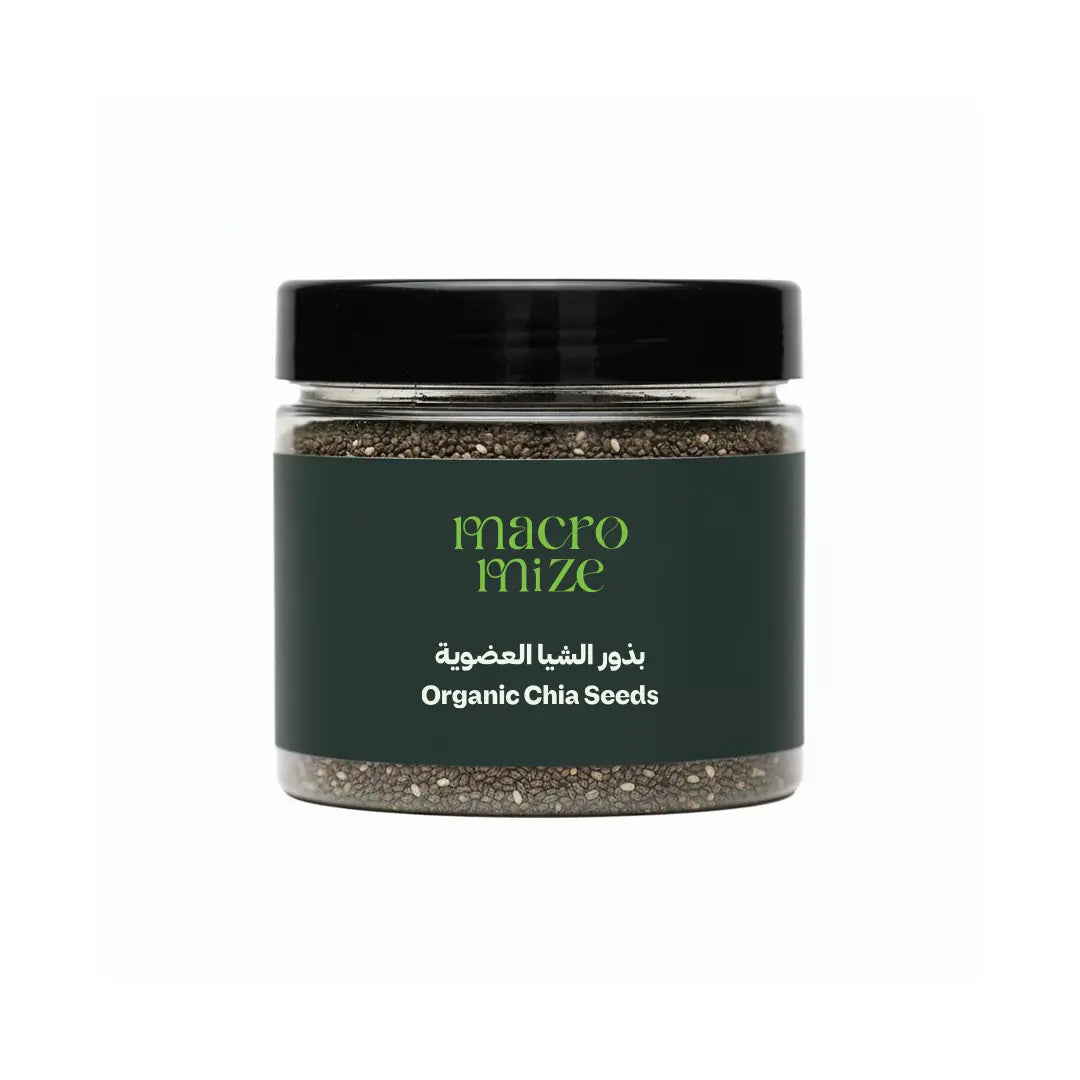
بذور الشيا العضوية
ارتقِ بوجباتك مع بذور الشيا العضوية من ماكرومايز—السوبرفود الصغير الذي يمنحك فوائد كبيرة! هذه البذور الغنية بالمغذيات هي إضافة مثالية لنظامك الغذائي، حيث تحتوي على أوميغا 3، الألياف، ومضادات الأكسدة لدعم صحتك ونشاطك.
المنتجات التي يتم شراؤها معًا بشكل متكرر
المنتجات التي يتم شراؤها معًا بشكل متكرر


مُبرّد بعناية ويصلك طازج.
توصيل مجاني للطلبات التي تزيد قيمتها عن 199 درهم إماراتي
بذور الشيا العضوية من ماكرومايز
ارتقِ بوجباتك مع بذور الشيا العضوية من ماكرومايز—السوبرفود الصغير الذي يمنحك فوائد كبيرة! هذه البذور الغنية بالمغذيات هي إضافة مثالية لنظامك الغذائي، حيث تحتوي على أوميغا 3، الألياف، ومضادات الأكسدة لدعم صحتك ونشاطك.
ليش راح تحبها؟
- غنية بأوميغا 3: لدعم صحة الدماغ والقلب.
- عالية بالألياف: لتحسين الهضم والشعور بالشبع.
- مليئة بمضادات الأكسدة: لحماية الجسم من الجذور الحرة وتعزيز الصحة العامة.
- سوبرفود متعدد الاستخدامات: أضفها للسموذي، الزبادي، السلطات، أو وصفات الخبز.
- عضوية معتمدة: نقية وطبيعية وخالية من أي إضافات.
سواء كنت تبحث عن تعزيز غذائي لوجبة الإفطار أو إضافة مقرمشة لسلطاتك، بذور الشيا العضوية من ماكرومايز هي رفيقك المثالي لنمط حياة صحي.
بذور شيا عضوية 100٪
Nutrition Facts
- 73 السعرات الحرارية
- 80 ملغ كالسيوم
- 0 جرام سكر
- 2.6 جرام اوميجا 3
- 2.5 جرام بروتين
- 6 جرام الياف
تعتمد الحقائق الغذائية على حجم الحصة:15 جرام
Storage
يُحفظ في مكان بارد وجاف بعيد عن أشعة الشمس. يُغلق بإحكام بعد الفتح للحفاظ على النكهة والجودة.How to Use
أضف 1–2 ملعقة كبيرة إلى السموذي، الزبادي، أو الشوفان. ممكن تنقعه في الماء أو الحليب لمدة 30 دقيقة لتحضير بودنغ الشيا. ممتاز أيضاً للخبز الصحي.How do chia seeds support weight loss?
The health benefits of chia seeds for weight management center on several synergistic mechanisms. First, the exceptional 6g fiber content per 15g serving creates substantial satiety. When chia seeds absorb liquid in your stomach, they expand dramatically, creating physical fullness that reduces appetite and subsequent food intake. This natural appetite suppression can reduce daily calorie consumption by 10 to 15% without conscious restriction.
Second, the soluble fiber slows carbohydrate digestion throughout your meal, preventing rapid blood glucose elevation and the subsequent insulin response. This metabolic steadiness supports fat oxidation rather than storage.
Third, the 2.5g protein per serving increases the thermic effect of eating, meaning your body expends more calories digesting protein (approximately 25 to 30% of protein calories) compared to carbohydrates or fats.
Fourth, the 2.6g Omega-3 content may support metabolic health and reduce inflammation that can interfere with weight regulation.
Finally, with 0g sugar and only 73 calories per serving, chia seeds provide dense nutrition within calorie limits necessary for fat loss. These factors combine to make them among the best chia seeds for weight loss available.
However, chia seeds are not magic solutions. They work as part of overall calorie-conscious eating and active lifestyle, making caloric restriction easier and more sustainable by enhancing satiety and providing complete nutrition within reasonable calorie limits.
What makes Macromize the best chia seeds for weight loss compared to other options?
The best chia seeds for weight loss combine maximum nutritional density with verified purity standards. These organic chia seeds deliver 6g fiber per 15g serving, among the highest fiber concentrations in any whole food. The 2.6g Omega-3 per serving exceeds most commercial chia products. The 0g sugar content ensures no hidden calories or metabolic disruption from added sweeteners.
Organic certification matters significantly for weight management. Non-organic seeds may contain pesticide residues that act as endocrine disruptors, potentially interfering with hormones that regulate metabolism and fat storage. The organic growing methods also typically result in higher nutrient density due to superior soil quality.
The raw, unheated processing preserves delicate Omega-3 fatty acids that heat treatment can damage. Oxidized fats lose nutritional benefit and may contribute to inflammation. Raw processing ensures maximum bioavailability of nutrients that support metabolic function.
For UAE consumers seeking seeds for weight loss, verified organic certification, complete nutrition transparency, and proper storage conditions (protecting against heat and moisture that degrade quality) distinguish premium products from commodity alternatives.
Do I need to grind chia seeds to absorb the nutrients?
No, grinding is not necessary for nutrient absorption from chia seeds. Unlike flaxseeds which have a hard, resilient hull requiring grinding for digestibility, chia seeds have naturally permeable outer coating. Your digestive system can access the Omega-3 fatty acids, protein, and minerals whether the seeds are consumed whole or ground. The chia seeds nutrition remains fully bioavailable in whole form.
That said, some people prefer ground chia for texture preferences or easier integration into certain recipes. Ground chia dissolves more completely into liquids and batters. If you choose to grind them, do so in small batches and store ground powder in refrigerator, using within 2 to 3 weeks. Grinding exposes more surface area to oxidation, so fresh grinding preserves nutritional quality better than pre-ground products.
For weight loss purposes, whole seeds may offer slight advantage because they require more mechanical and enzymatic effort to break down, slightly increasing calorie expenditure during digestion. However, this difference is minimal. Choose based on texture preference and convenience.
What are the complete chia seeds nutrition facts?
The complete chia seeds nutrition facts per 15g serving include: 73 calories, 4.6g total fat (including 2.6g Omega-3 ALA), 6.3g total carbohydrates (with 6g as dietary fiber providing 21% daily value), 0g sugar, 2.5g protein, 80mg calcium (8% DV), plus significant amounts of iron, magnesium, manganese, phosphorus, zinc, and copper. The nutritional value of chia seeds extends beyond basic macros. The fiber is split between soluble and insoluble types, both supporting digestive health. The Omega-3 content represents one of the highest plant-based sources available, comparable to flaxseeds. The protein contains all nine essential amino acids, making it complete protein despite moderate quantity. The zero sugar content distinguishes chia from many other seeds and superfoods. The mineral profile provides synergistic nutrients working together for bone health, muscle function, and energy production. The low sodium (2.4mg per serving) and zero cholesterol make chia suitable for cardiovascular health protocols. These chia seeds nutrition facts position them as nutrient-dense food providing substantial nutrition with minimal caloric cost - ideal for weight management where nutrient adequacy within calorie limits proves challenging.
Can I eat chia seeds every day? What's Macromize recommended amount?
Yes, daily consumption of organic chia seeds is safe and beneficial for most people. A standard serving of 15g (approximately 1 tablespoon) provides substantial chia benefits without excessive calories. Many people consume one to two servings daily—one at breakfast in smoothies or oatmeal, potentially another in afternoon snacks or dinner preparations. The primary consideration with daily chia consumption is adequate hydration. Because the seeds absorb 10 to 12 times their weight in liquid, drink at least 1.5 to 2 liters of water daily to ensure fiber moves efficiently through your digestive system. Without sufficient hydration, high fiber intake can occasionally cause constipation rather than relieving it. If you're new to chia seeds or high-fiber foods generally, start with half a serving (7 to 8g or approximately 1.5 teaspoons) daily for the first week, then gradually increase to full tablespoon. This allows your gut microbiome and digestive processes to adapt. Some people experience temporary bloating when dramatically increasing fiber intake; gradual introduction prevents this discomfort. For weight loss purposes, one to two tablespoons daily provides optimal benefits. This delivers 12 to 24g of fiber, supporting satiety without excessive calories. There's no specific upper limit, but most nutritionists suggest staying within 2 to 3 tablespoons (30 to 45g) daily as part of varied diet.
How should I store chia seeds for maximum freshness?
Proper storage protects the delicate polyunsaturated fats in chia seeds nutrition from oxidation. Store your seeds in an airtight container in a cool, dry, dark location—a pantry or kitchen cabinet away from the stove works well. Light, heat, and air exposure degrade nutritional quality over time, particularly the Omega-3 fatty acids.
Whole chia seeds have remarkable natural stability due to high antioxidant content that protects oils from rancidity. Under proper storage conditions, they maintain quality for 18 to 24 months. While refrigeration isn't strictly necessary for whole seeds, it extends shelf life in UAE's humid coastal climate, particularly during summer months.
If you grind chia seeds for specific recipes, refrigerate the ground powder in airtight container and use within 2 to 3 weeks. Grinding exposes more surface area to air and light, accelerating oxidation. For this reason, grind small batches as needed rather than processing entire package.
Check for rancidity by smelling the seeds periodically. Fresh chia has neutral or slightly nutty aroma. If seeds develop bitter, paint-like, or chemical smell, the oils have oxidized and quality has degraded. While oxidized seeds aren't dangerous, they offer reduced nutritional benefit and unpleasant taste.
What are the specific health benefits of chia seeds beyond weight loss?
The health benefits of chia seeds extend across multiple body systems. Cardiovascular benefits include the Omega-3 content supporting healthy inflammatory responses, maintaining arterial flexibility, and promoting beneficial cholesterol ratios. The fiber helps reduce LDL cholesterol absorption while the zero cholesterol content makes chia heart-friendly.
Digestive health improves through both soluble and insoluble fiber. Soluble fiber feeds beneficial gut bacteria, supporting microbiome diversity that influences immune function, mood, and metabolism. Insoluble fiber promotes regular bowel movements and may reduce colon cancer risk.
Bone health benefits from the synergistic mineral profile. The 80mg calcium per serving, combined with magnesium and phosphorus, supports skeletal density and strength. This proves particularly important for women concerned about osteoporosis risk and active individuals requiring strong bones for training.
Cognitive function benefits from Omega-3 fats maintaining neural membrane integrity and supporting neurotransmitter function. Some research suggests adequate Omega-3 intake may reduce cognitive decline risk and support memory and focus.
Blood sugar stability results from the fiber slowing carbohydrate digestion, preventing glucose spikes. This makes chia beneficial for diabetics and pre-diabetics managing blood glucose. The 0g sugar content means no direct glucose contribution.
Energy levels stabilize through slow-releasing carbohydrates from fiber combined with beneficial fats. Unlike simple carbohydrates causing energy spikes and crashes, chia provides sustained energy over several hours.
Are chia seeds suitable for ketogenic diets?
Yes, chia seeds fit well within ketogenic meal plans due to their macronutrient profile. The 6.3g total carbohydrates per 15g serving includes 6g of fiber. Since fiber doesn't significantly impact blood glucose or insulin, ketogenic dieters typically subtract fiber from total carbs to calculate "net carbs." This makes chia seeds contain only 0.3g net carbs per serving.
The 4.6g fat per serving (primarily from beneficial Omega-3 and polyunsaturated fats) aligns with keto's high fat requirements. The 2.5g protein provides moderate protein without excess that might interfere with ketosis through gluconeogenesis.
For UAE residents following ketogenic protocols for weight loss, metabolic health, or other reasons, chia seeds offer valuable fiber often lacking in keto diets. Many people struggle with constipation on keto due to low fiber intake; chia seeds address this while remaining keto-compliant.
The zero sugar content and minimal net carbs mean chia won't interrupt ketosis. The chia benefits for keto include sustained energy, improved satiety, and nutritional diversity without carbohydrate concerns.
Use chia in keto chia pudding (made with unsweetened coconut or almond milk), sprinkled on keto-friendly salads, or added to low-carb smoothies. The seeds enhance keto meals nutritionally while maintaining macronutrient ratios necessary for ketosis.
بذور الشيا العضوية
AED 35.00
ارتقِ بوجباتك مع بذور الشيا العضوية من ماكرومايز—السوبرفود الصغير الذي يمنحك فوائد كبيرة! هذه البذور الغنية بالمغذيات هي إضافة مثالية لنظامك الغذائي، حيث تحتوي على أوميغا 3، الألياف، ومضادات الأكسدة لدعم صحتك ونشاطك.
✅ غني بالألياف
✅ مصدر لأوميغا 3 من نباتات طبيعية
✅ يدعم صحة القلب
✅ يساعد على الشبع والهضم
✅ مثالي للخبز الصحي والسموذي
✅ مصدر لأوميغا 3 من نباتات طبيعية
✅ يدعم صحة القلب
✅ يساعد على الشبع والهضم
✅ مثالي للخبز الصحي والسموذي